
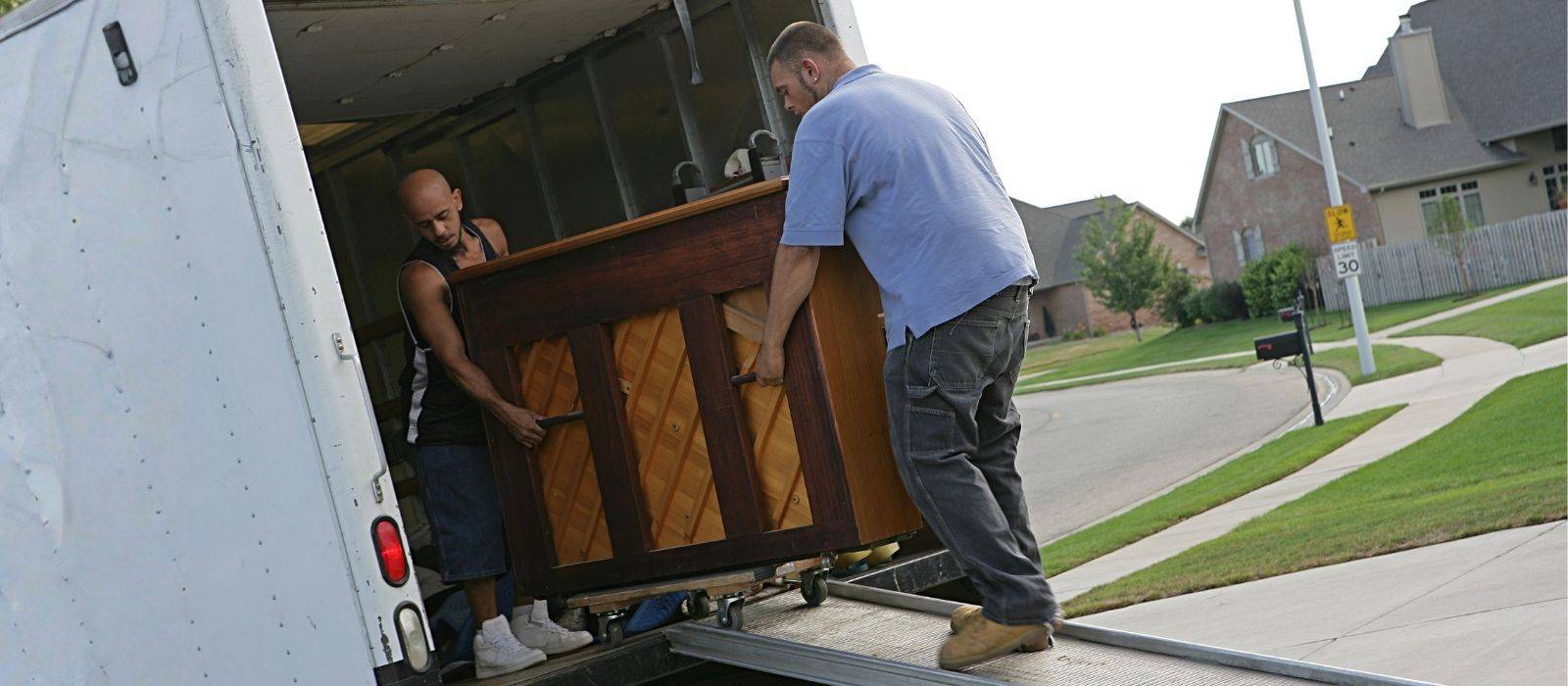
A piano isn’t just another piece of furniture — it’s a heavy, delicate, precisely-tuned instrument that can weigh anywhere from around 150kg for an upright to over 500kg for a concert grand. Whether you’re moving a treasured family upright or a full grand piano, a bit of preparation goes a long way toward keeping it safe on moving day. Here’s a complete piano moving checklist to help you get ready.
Why Piano Moving Needs Its Own Checklist
Unlike a sofa or a bed frame, a piano has an internal structure of strings, hammers, and a soundboard under enormous tension. Tilting it too far, dropping it even slightly, or exposing it to sudden temperature changes can cause damage that’s expensive — sometimes impossible — to repair. That’s why piano moving is typically treated as a specialist job rather than a DIY task, and why proper preparation matters just as much as the move itself.
1–2 Weeks Before Moving Day
Measure your doorways, hallways, and stairs Know the exact dimensions of your piano and compare them against every doorway, hallway turn, and staircase it needs to pass through — both at the pickup and delivery address. This avoids last-minute surprises on the day.
Book specialist piano movers early Piano moves often require a specific crew size, the right equipment (piano boards, dollies, straps, ramps), and sometimes a specific truck. Booking ahead — especially during busy periods — means you get the team and equipment your piano actually needs, not whoever happens to be free.
Check your insurance Ask whether your mover provides insurance cover for the piano during transit, and understand what it does and doesn’t cover. If the piano is a family heirloom or a high-value instrument, it’s worth asking about additional cover too.
Decide whether it needs tuning after the move Pianos can go out of tune from vibration and changes in humidity or temperature during a move, even when handled perfectly. If you’ll want it tuned afterward, it’s worth booking a piano tuner in advance rather than scrambling once you’ve moved.
A Few Days Before
Clear the path Walk the exact route the piano will take — from its current position, out the door, and onto the truck — and remove anything in the way: furniture, rugs, loose cords, pot plants, anything that could cause a trip or a scrape.
Protect the piano itself
- Close and lock the keyboard lid if your piano has one
- Remove sheet music, candlesticks, photo frames, or anything sitting on top
- For upright pianos, avoid taping anything directly onto polished or lacquered surfaces — tape can damage the finish
- For grand pianos, the lid, legs, and pedal lyre are often removed or specially braced by professional movers before transport
Check the weather Extreme heat, cold, or rain can affect both the piano and the safety of the move. If a specific date has flexibility, avoid moving a piano in the middle of a heatwave or a downpour where possible.
Confirm access at both ends Let your movers know in advance about anything unusual: narrow driveways, steep steps, gravel paths, apartment lifts, or tight corners. The more your movers know beforehand, the better prepared they’ll be with the right equipment on the day.
On Moving Day
Keep pets and children clear of the moving area A piano move involves heavy lifting equipment and a crew focused on a difficult, precise task — keeping the area clear reduces risk for everyone.
Let the professionals handle the lifting It’s tempting to help, especially with a large grand piano, but untrained hands are one of the most common causes of piano-moving injuries and damage. Let the trained crew manage the lift, the tilt, and the load.
Do a walk-through with your movers before they start A quick walk-through of the route, confirming exactly where the piano is going in the new space, helps avoid repositioning it later — repeated handling only increases risk.
After the Move
Let the piano settle before playing Give it at least a few hours — ideally a day or two — to adjust to the new room’s temperature and humidity before you start playing regularly.
Check for visible damage Inspect the case, legs, and pedals for any marks or damage and note anything immediately, especially if you’ve taken out insurance cover.
Book a tuning Even a careful move can shift a piano slightly out of tune. A professional tuning a week or two after the move is standard practice for most piano owners.
When to Call in Piano Moving Specialists
If any of the following apply to your move, it’s worth using an experienced piano mover rather than a general furniture removalist:
- The piano needs to go up or down stairs
- There are tight doorways, hallways, or corners involved
- It’s a grand piano requiring lid, leg, or pedal lyre removal
- The piano is a valuable or sentimental heirloom
- You simply don’t have the manpower or equipment to move it safely
Trust Your Piano Move to the Experts
Whether it’s an upright, a baby grand, or a full concert grand, a piano deserves a team that knows exactly how to handle it. DB Movers has completed hundreds of piano moves across Hamilton and the wider Waikato, using purpose-built equipment and experienced crews to get every piano to its new home safely.
Read more about our dedicated piano moving services in Hamilton, or get in touch today for a free, no-obligation quote for your piano move.